Table Of Content

In the 1970s fashion, the masculine appearance was influenced by the uprising trends of musicians, actors, and sportsmen. Slicked-back hair was a classic choice that oozed sophistication and it was the go-to 70s hairstyles for men. Achieved by combing hair back with the help of pomade or gel, it created a polished and refined appearance, often accompanied by a clean-shaven face. Short hair with layers was a popular choice for those who wanted a textured and stylish appearance.
Celebrities and Their Impact on the 70s Hairstyles
Similar to the pompadour but combining elements of other contemporary styles (including the flat top), quiffs became globally recognised in the 1950s thanks to a certain Mr Elvis Presley. Find out how to bring 11 of the most iconic vintage hairstyles for men into 2018. Bold and daring, Mutton Chops were more than just facial hair; they were a statement. Long sideburns extended down to the jawline and connected with a mustache, creating a distinctive and rebellious look. For those who wanted to take the classic Afro to the next level, the Flared Afro added extra volume and larger curls.
Sideburns
To achieve the perfect 70s pompadour, men relied on a variety of styling techniques and products. Hair gel, pomade, and hairspray were essential tools for sculpting the hair into the desired shape and ensuring long-lasting hold. Styling involved meticulously combing the hair upwards and back, creating volume at the crown and smoothing down the sides for a polished finish. It featured shaved sides with a strip of longer hair down the center of the head. This bold and fearless style was embraced by those who wanted to stand out and challenge societal norms.
1960s And 1970s Were The Most Romantic Periods For Men's Hairstyles - Bored Panda
1960s And 1970s Were The Most Romantic Periods For Men's Hairstyles.
Posted: Thu, 17 Nov 2016 08:00:00 GMT [source]
Vintage Ads Of Hair Products For Men In The 1970s
So, fasten your seatbelts as we dive into the essence of 70s hairstyles for men. To wrap up, the 70s hairstyles for men have made a remarkable comeback in Today’s fashion landscape. These iconic looks from the past have been reimagined and incorporated into modern styles, allowing individuals to embrace the vintage trend while showcasing their personal style. As fashion trends come and go, 70s hairstyles have evolved over the decades, finding new interpretations in each era. From sleek and straight hair to voluminous and long hairstyles, 70s hairstyles have undergone transformations that reflect the ever-changing fashion landscape.
With this popularity from artists, more and more men started wearing shoulder-length hair, and in the late 70s, it had gained a lot of traction across the whole of the United States. Now that you have seen some popular 70s hairstyles and how they became famous, you can go ahead and fearlessly experiment with some of them to see what works for you. Yes, 70s hairstyles seem to be making a comeback with many celebrities and the youth sparking trends again. The sportsmen of the 70s also played their parts when it came to sporting different kinds of hairstyles. Baseball players like Reggie Jackson, Olympic athletes and swimmers and footballers contributed to starting trends that soon spread. Surfer hairstyles in the 70s were medium to long with natural waves or curls.
The best men’s hair products: The ones you need to try + expert tips
The 70s was an era of limitless self-expression, and men’s hairstyles played a key role in showcasing individuality and embracing the cultural shifts of the time. So, embrace the groovy and funky spirit of the 70s, and let your haircut be a vibrant reflection of your personality and the era that continues to inspire. From mutton chops to perms and waves, feathered hair to flamboyant sideburns, men weren’t just following trends; they were making bold statements. In a constantly evolving fashion landscape, the resurgence of 70s hairstyles is a reminder of the timeless appeal of rebellious men’s fashion.
The Curly Shag
Letting nature do its thing with the natural dreads brought in through the reggae culture from Bob Marley in the 70s. It is a long process to attain but in its completed form, it has a lot of benefits and ease. This first step was intended to make the curls loose and easy to re-set new and permanent curls. Ideal, it is not something you can DIY at home, and as such, you will want to look for an experienced barber who understands how to create dreads. Prepare for a throwback to a time of boldness, freedom, and unforgettable hairdos.
'70s Hairstyles That Feel Chic and Modern
Legendary shows and movies like Star Wars and Charlie’s Angels were born. And everywhere you turned, young people were fighting for social movements they believed in. This look is perfect for men who are casual and who really don’t care a lot about their appearance. This natural messy hair look is a great option for any man who has a bit of curl in his hair and who doesn’t want to have to worry about trying to tame it. The bowl cut can typically be altered to suit any hair length and texture. We never met a pair of curtain bangs we didn't like — and for good reason.
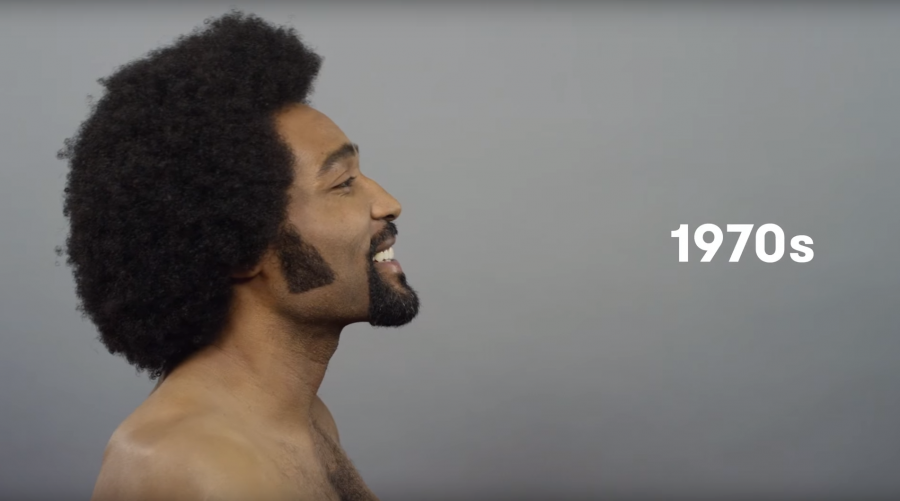
River Phoenix AZ’s Extended Textured Hairstyle
Often called the “mushroom cut,” this hairstyle looks as if you literally put a bowl over your head and started cutting around it. It leaves the hair with a rounded shape and a straight-cut fringe covering most of your forehead. Some people, though, leave their hair at the back a little longer than the locks in front. Another way to style wavy and curly hair in the 70s was in a classic mullet style. In this style, the hair in the front is given a short scissor cut, while the rest of the hair (also known as the “tail”) remains long and flowy. It was a popular everyday look back then that still packed a lot of style and attitude.
It wasn’t just a hairstyle but a political statement, a visible assertion of pride, and a rejection of societal norms that had long suppressed culture and identity. Paul McCartney’s adoption of the shag during his post-Beatles years further solidified the hairstyle’s place in the 1970s. The look was casual and bohemian, reflecting the broader cultural shift towards individuality and creativity. 70s hairstyles for men are a lot of fun, as can be seen by these 20 options. They are sure to please and to make any man feel younger and more alive.
Beyond its aesthetic appeal, the pompadour also carried cultural significance in the 1970s. As a nod to the past while embracing the trends of the present, it represented a fusion of classic elegance and contemporary flair. It was a hairstyle that transcended generations, appealing to both those who appreciated retro nostalgia and those who sought to push the boundaries of fashion and style. The Bowl Cut was a bold and distinctive choice that challenged conventional hairstyles. It appeared as if a bowl had been placed on the head, and the hair was cut evenly around its rim. This unconventional look was a favorite among those who wanted to break free from the norm and embrace a unique style.
It was the rude boy hairstyles that motivated the short styles, and skinhead look, especially rocked by working-class white men of the ’70s. You don’t need rocket science to understand how this haircut is styled. It was, and still, it is a low maintenance haircut that resonates well with men who don’t have time to spend on hair maintenance. Artists were forefront in popularizing shoulder length hairstyles, especially the Beatles that maintained their locks long and flowing.
Whether it’s a shag, an afro, or a feathered look, men can turn to styling products to bring their hair to life, adding a touch of rebelliousness and personal flair. Styling products, such as gel and pompadour, were instrumental in creating the signature looks of 70s hairstyles. Gel, with its stronghold and sculpting properties, allowed men to achieve the sleek and polished styles of the era. In the 70s, men had to rely on haircare and styling products to achieve their desired hairstyles. These products played a crucial role in taming and styling their locks, allowing them to express their style and maintain their rebellious looks. Today, the beard remains a powerful facial hair choice, symbolizing individuality, masculinity, and a cultural resurgence of rebellion.
Disco hairstyles included slightly long hair and perms, although this definition changed and started referring to voluminous slicked back hair like that of John Travolta. This haircut looks fantastic with one length, but it looks even more chic and stylish when layers are put in it. It gives the hair more depth and texture, even if you have pin-straight hair. It’s a great way to make sure the hair doesn’t look too flat—something that tends to happen when fine hair is too long. A lot of young people identified as hippies back in the 70s, and so they followed the style and fashion of people they looked up to, like John Lennon.
Everything from shags, long and short styles, blow-dried and feathered cuts, and even the infamous pompadours were in and seen everywhere. It works to replenish your head with hair while also targeting dandruff and other scalp issues like itchiness, returning your hair to full health. This formula will address irritation, excess oil, flakes, and more, making it a great product for daily use. Pyrithione zinc is the dandruff busting ingredient here, and caffeine stimulates scalp circulation.
Women in the 70s were obsessed with blow-dryers and round brushes that made the ends of their hair fly away from their faces, adding volume to their locks. This bright orange, for example, works with a razor cut mullet and a bald fade to create an edgy punk 70s haircut. If you were blessed with thick hair, ask your barber for short to medium-length layers. This style takes a little more work since it involves a blow-dryer, but with a comb and some mousse, you’ll get a great vintage look. Serena has a degree in journalism from the University of Oregon and works in public relations for a nonprofit. With her vast knowledge of the latest trends, haircuts, and colors, she helps people look their best.



No comments:
Post a Comment